Ground-Up Construction

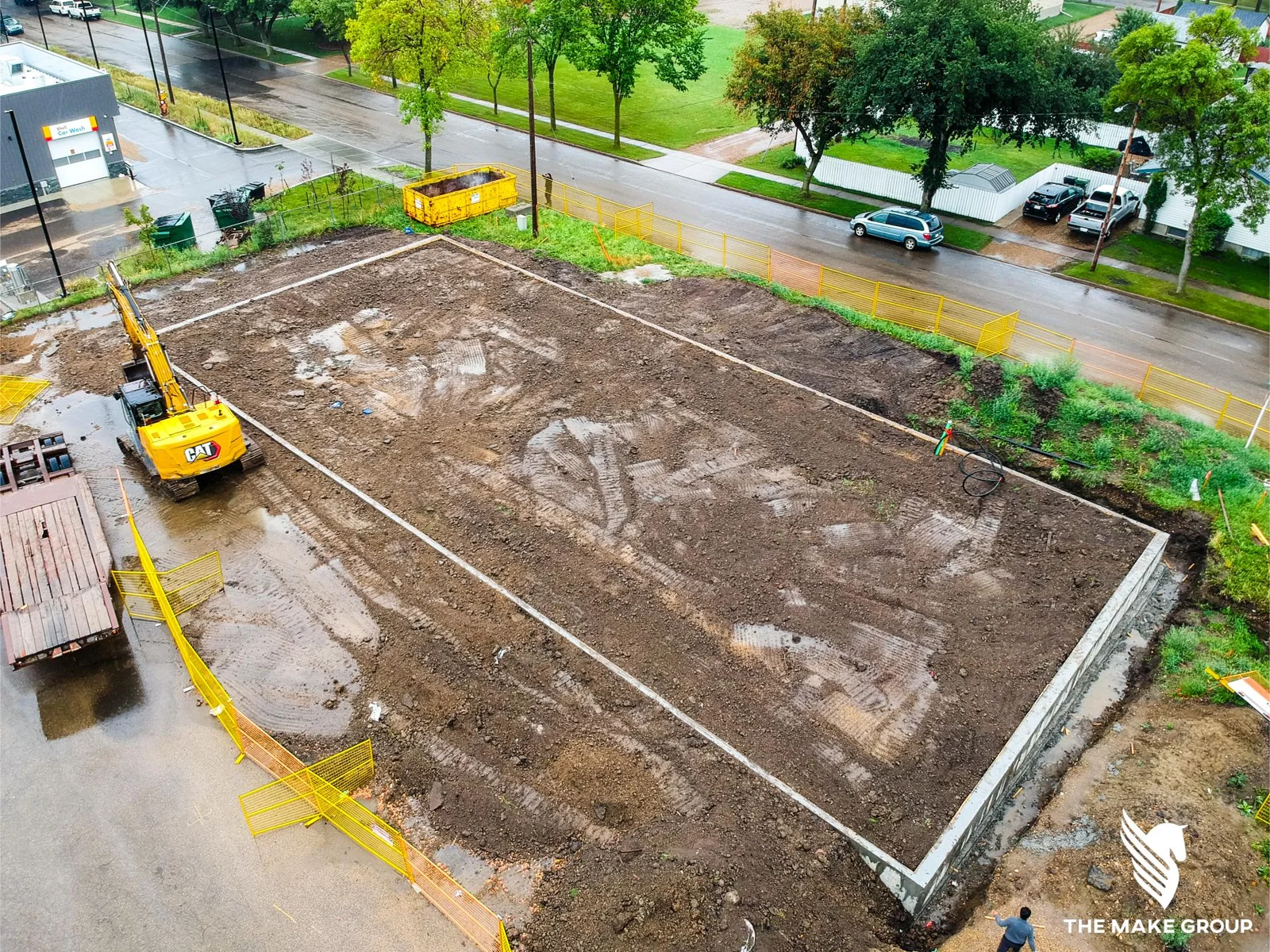
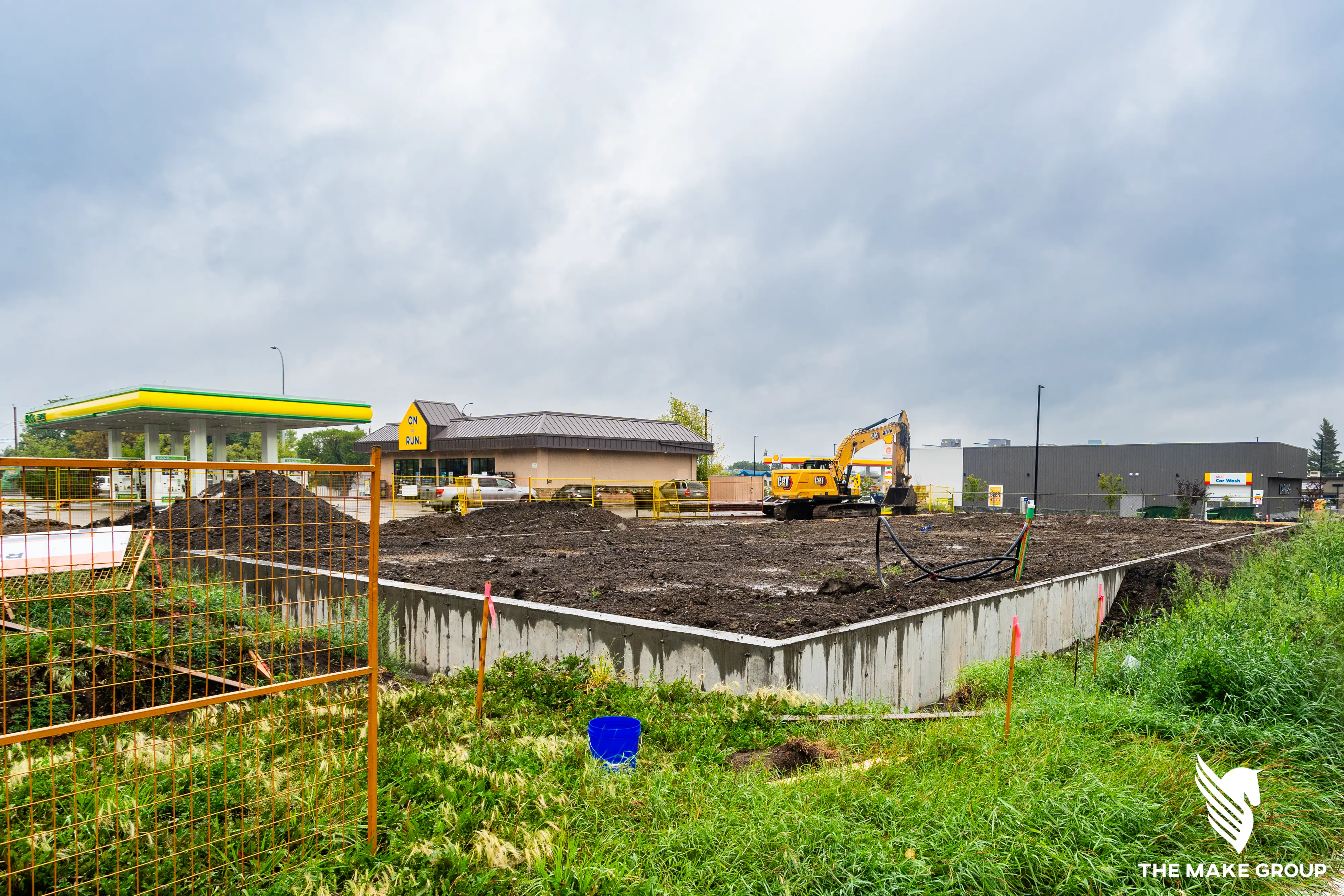
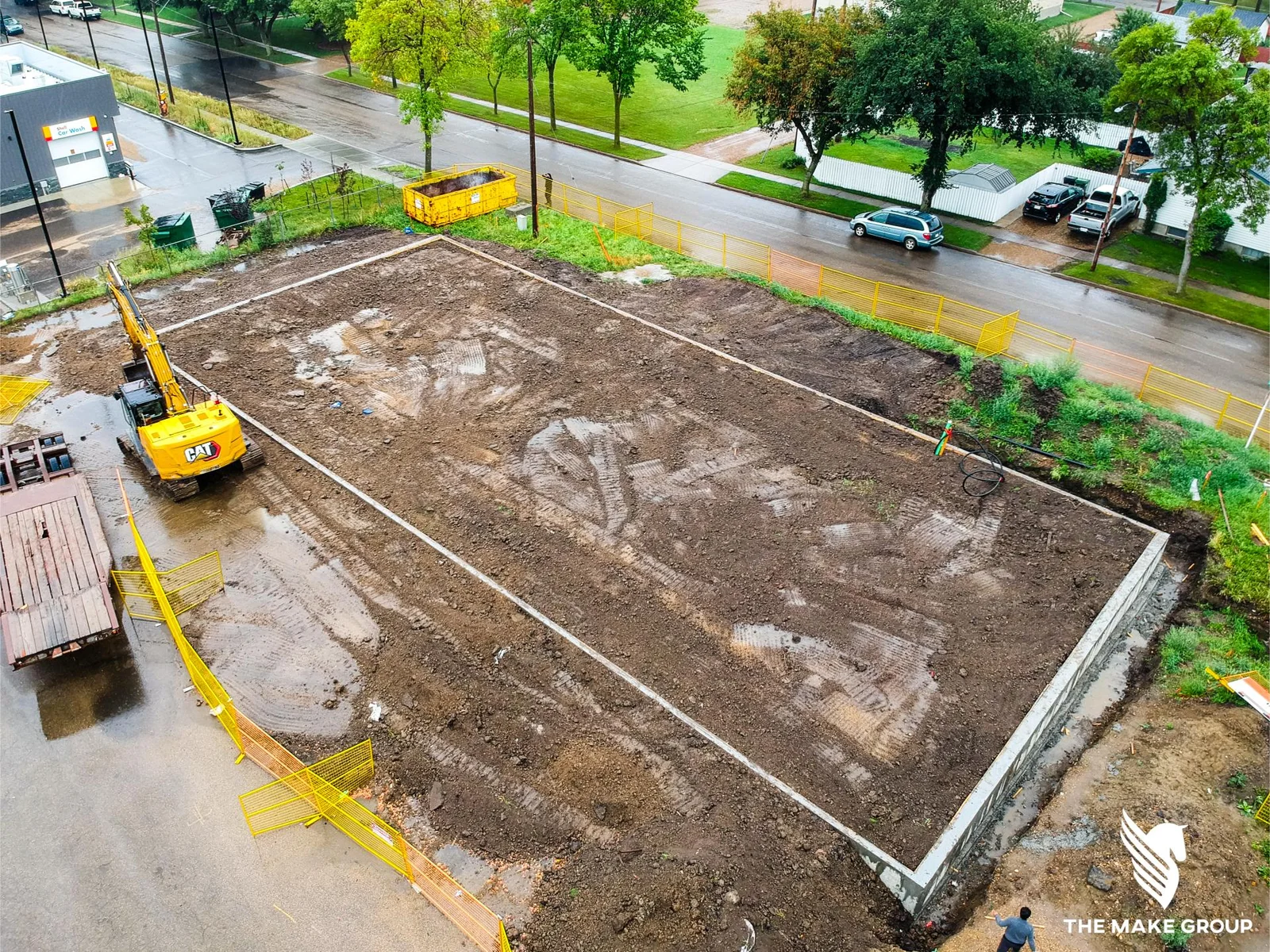
Ground-up construction is the complete process of building a new facility from an empty site—planning, permitting, foundations, structure, and final finishes—delivered as one coordinated project. The Make Group provides ground-up construction services in Calgary with a focus on schedule control, code compliance, and long-term build quality.

New builds require more than trades and materials. They require early-stage coordination, accurate sequencing, and clear accountability from day one—so the project moves from site readiness to occupancy without avoidable delays.
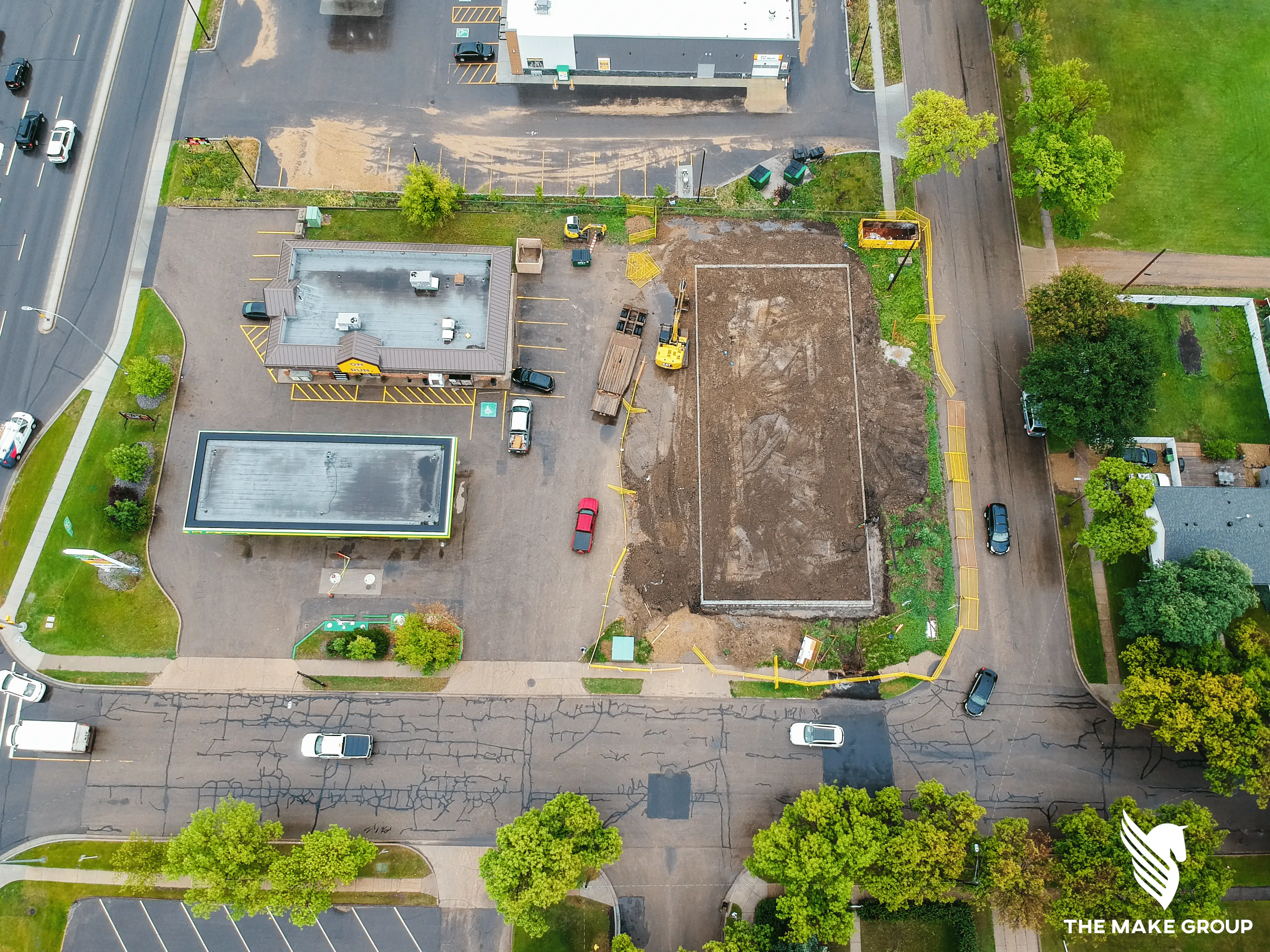
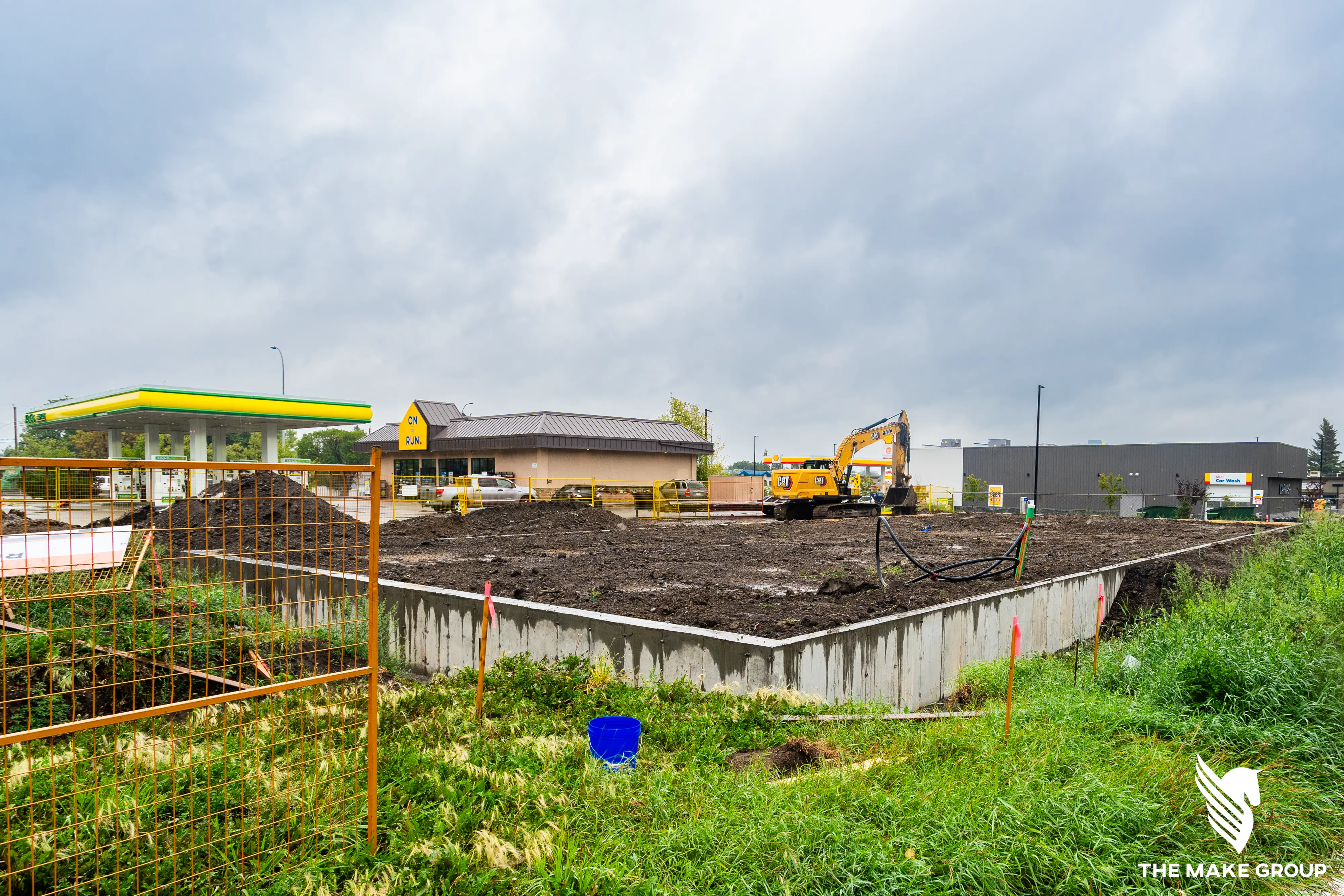
Built From Site Planning to Final Handover

Ground-up construction involves multiple phases that must be managed as one continuous delivery system. When the planning and execution are aligned, budgets stay tighter, approvals move faster, and rework drops dramatically. Ground-up construction can support:

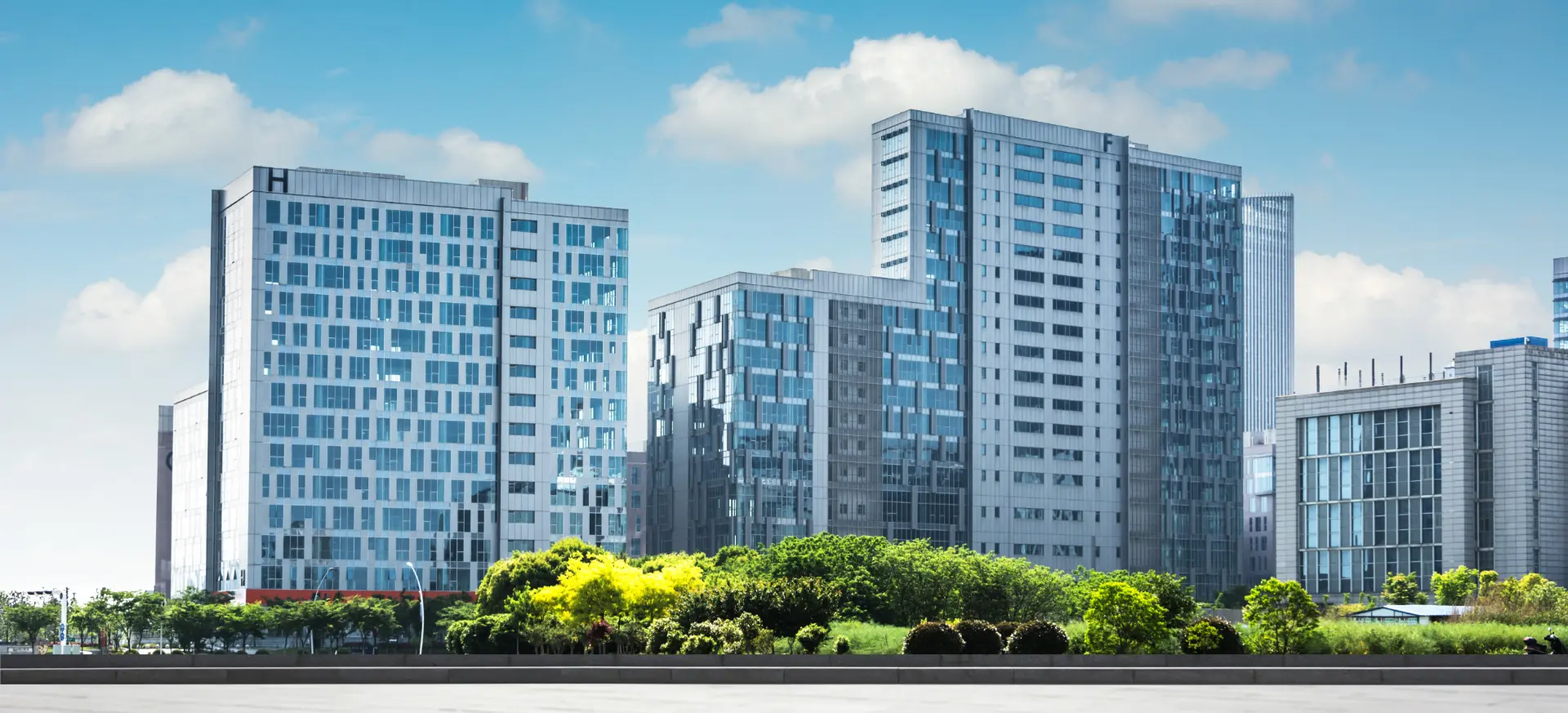
New commercial buildings
Standalone retail and office builds
Restaurants and hospitality projects
Medical, dental, and pharmacy facilities
Industrial and light industrial facilities

Each build is planned to match operational needs, future growth, And long term durability.

End-to-End Ground-Up Construction Services

Ground-up projects demand full coordination across consultants, inspections, and trades. Centralized project leadership keeps scope, cost, and schedule under control.

This delivery model reduces gaps between phases and keeps the project moving forward with fewer surprises.

01

Pre-construction planning and feasibility assessments.

Early-stage evaluation to confirm scope, budget alignment, and build viability before construction begins.

02

Site readiness co-ordination and early scheduling.

Preparation of the site and construction timeline to ensure a smooth and efficient project start.

03

Permit management and inspection planning.

Handling approvals and inspection requirements to keep the project compliant and moving without delays.

04

Structural mechanical and electrical co-ordination.

Integrated planning across all major systems to prevent conflicts and maintain construction efficiency.

05

Vendor and trade scheduling with milestone tracking.

Coordinated trade sequencing with clear milestones to maintain schedule control and accountability.

06

Quality control and deficiency management

Ongoing inspections to maintain build quality and address issues before they impact delivery.

07

Final close-out documentation and handover

Completion of all required documentation and a structured handover to support occupancy and long-term operations.

Permits, Inspections, and Code Compliance

Ground-up builds are approval-heavy. Delays usually happen when compliance is treated as a “later” step instead of being built into the process.

Key compliance priorities includes:

  • Building code and occupancy compliance
  • Fire and life safety requirements
  • Accessibility and barrier-free standards
  • HVAC, ventilation and energy requirements
  • Zoning and site-related constraints

Proactive compliance planning supports smoother inspections and a faster path to occupancy.

Construction Planning Project Management

Schedule Discipline and Risk Control

New builds are vulnerable to timeline drift when sequencing is loose or responsibilities are split across too many parties. A structured build plan protects timelines and reduces costly downtime between trades.

Construction planning focuses on:

  • Clear scopes and trade handoffs
  • Procurement coordination for long-lead items
  • Realistic milestone scheduling
  • tax site logistics and safety planning.
  • Issue resolution before it becomes rework

The goal is simple: predictable delivery with consistent quality.

Built for long term performance

Ground-up construction should produce a building that performs well for years—structurally, operationally, and aesthetically. Long term performance includes:

Durable materials and build methods.

Efficient mechanical and electrical planning.

Practical maintenance access and serviceability.

Layout planning that supports workflow.

Expansion-ready design where needed.

A facility built properly from the start reduces operational headaches later.

Transparent Project Management & Accountability

Ground-up builds involve major investment. Clear reporting and disciplined oversight protect decision-making throughout the project lifecycle.

01

Defined scopes and milestone reporting.

02

Budget monitoring and change control.

03

Risk identification and mitigation.

04

Quality inspections at key stages.

05

Clear closeout and turnover process.

This keeps stakeholders informed and ensures the final delivery matches expectations.

Frequently Asked Questions

Ground-up construction typically includes planning, permitting, site coordination, foundations, structural build, mechanical and electrical systems, interior finishing, inspections, and final handover.
Timelines depend on project size, approvals, site conditions, and complexity. Many commercial builds require several months, while larger facilities can take longer due to phased construction and inspection requirements.
Yes. Ground-up construction involves permits and inspections across stages such as foundations, framing, systems, fire and life safety, and final occupancy.
A ground-up build starts from an empty site and includes the full structure. A build-out typically improves or renovates an existing interior space within a shell or existing building.
Delays are reduced through early permit planning, accurate scheduling, coordinated trade sequencing, procurement planning for long-lead items, and consistent site supervision.
Yes. Design-build can streamline timelines by aligning design decisions with construction sequencing, reducing conflicts and improving overall project coordination.

Let’s Start Building

×